
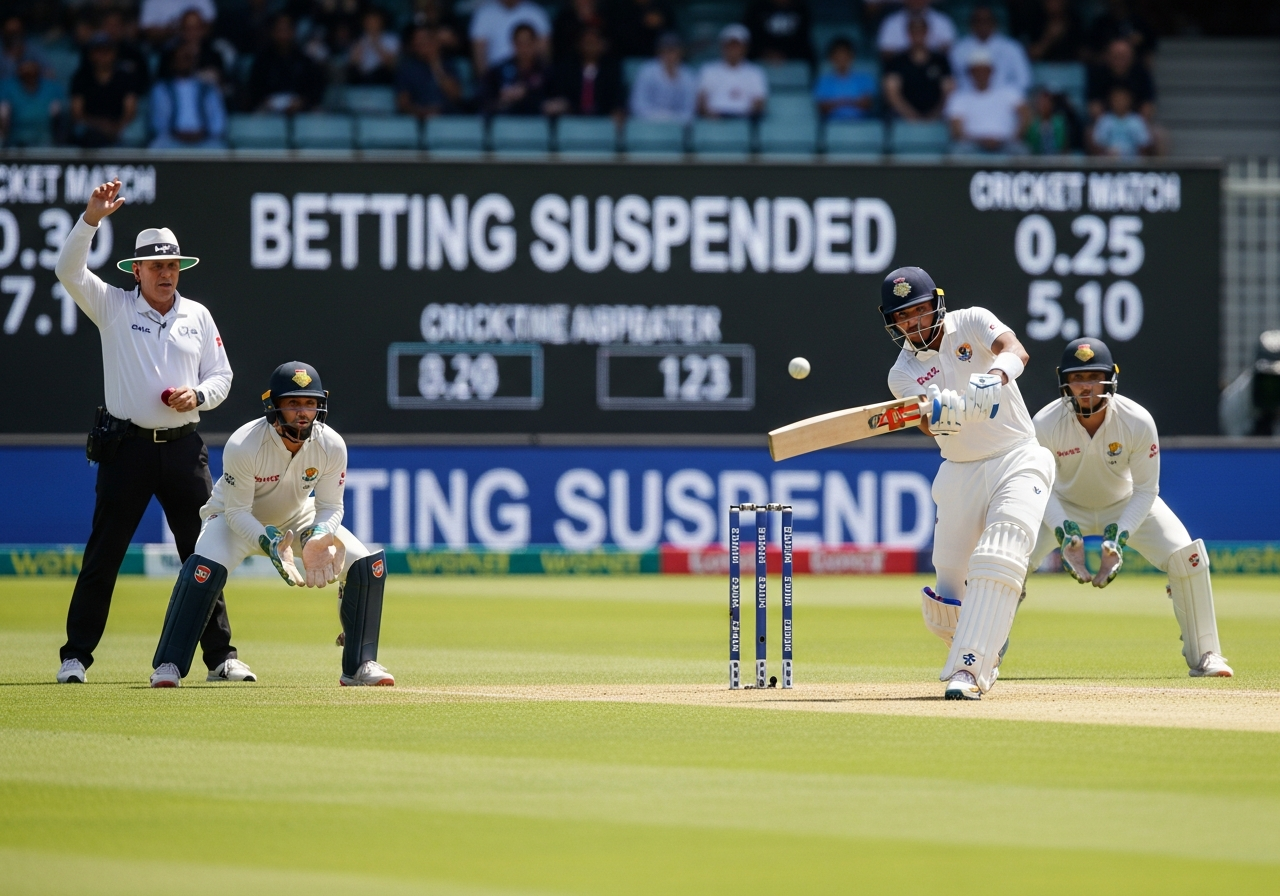
Cricket betting in India operates within a complex framework of market dynamics, where understanding suspension rules can mean the difference between successful wagering and costly mistakes. Live cricket matches present unique challenges for betting platforms, requiring sophisticated systems to manage risk and maintain fair play throughout the dynamic nature of cricket gameplay.
Market suspension mechanisms serve as critical safeguards in the fast-paced world of live cricket betting. These automated and manual controls protect both operators and bettors from irregular market movements, technical glitches, and potentially fraudulent activities that could compromise the integrity of betting markets.
The implementation of suspension rules varies significantly across different betting platforms operating in India, each adapting international standards to local market conditions and regulatory requirements. Understanding these nuances empowers bettors to make informed decisions and navigate the complexities of live cricket wagering more effectively.
Understanding Market Suspension Mechanisms
Automated Suspension Triggers
Modern betting platforms employ sophisticated algorithms that monitor market activity in real-time, automatically suspending markets when predetermined thresholds are breached. These systems analyze betting patterns, odds movements, and stake volumes to identify potentially suspicious activity or technical anomalies.
Price volatility triggers activate when odds fluctuate beyond acceptable parameters within specific timeframes. For instance, if match odds swing more than 20% within a 30-second window without corresponding on-field justification, automated systems immediately halt trading to prevent potential losses.
Volume-based suspensions occur when betting stakes exceed normal patterns by significant margins. Unusual concentrations of large bets on specific outcomes, particularly from limited geographical regions or account clusters, trigger immediate market freezes pending investigation.
Technical failure protocols ensure market integrity during platform malfunctions or connectivity issues. When data feeds become unreliable or delayed, systems automatically suspend all affected markets until stable connections are restored and verified.
Manual Intervention Protocols
Trading teams maintain constant oversight of live cricket markets, possessing authority to implement immediate suspensions when circumstances warrant manual intervention. These experienced professionals monitor matches through multiple channels, including live television feeds, official scorekeeping systems, and social media platforms.
Incident-based suspensions respond to on-field events that significantly impact match dynamics. Weather interruptions, player injuries, or controversial umpiring decisions may prompt immediate market closures to reassess fair pricing and prevent misinformed betting.
Information asymmetry concerns arise when certain bettors appear to possess advance knowledge of match developments. Trading teams analyze betting patterns for signs of insider information, suspending markets when irregular activity suggests unfair advantages.
Regulatory compliance requirements mandate specific suspension protocols during certain match situations. Anti-corruption measures may require immediate market closures when particular players are involved in significant incidents or when match officials flag potential irregularities.
Types of Cricket Events Triggering Suspensions
Weather-Related Interruptions
Rain delays represent the most common weather-related suspension trigger in Indian cricket, particularly during monsoon seasons affecting domestic tournaments and international matches. Betting platforms typically suspend all markets within minutes of play stoppage, resuming only when restart times are officially confirmed.
Lightning and severe weather conditions prompt immediate comprehensive market suspensions for player safety reasons. Unlike rain delays where resumption timelines may be estimated, severe weather creates unpredictable interruption periods requiring complete market closure.
Poor light conditions affecting play continuation trigger graduated suspension responses. Markets may remain active during borderline conditions but close immediately when umpires signal inadequate visibility for safe play continuation.
Extreme temperature or humidity conditions rarely halt play but can influence market dynamics sufficiently to warrant suspension. When weather significantly impacts player performance beyond normal expectations, platforms may temporarily freeze markets to reassess pricing models.
Platform-Specific Suspension Policies
International Operator Standards
Global betting platforms operating in India typically implement suspension policies developed for international markets, adapting these frameworks to accommodate local cricket formats and regulatory requirements. These operators often employ more conservative suspension triggers due to their exposure across multiple jurisdictions.
| Platform Type | Suspension Trigger Time | Resumption Criteria | Risk Management Level |
|---|---|---|---|
| International Operators | 15-30 seconds | Official confirmation required | High |
| Regional Platforms | 30-60 seconds | Multiple source verification | Medium |
| Local Operators | 60-120 seconds | Basic confirmation | Variable |
| Exchange Platforms | 5-15 seconds | Automated systems | Very High |
Risk management protocols vary significantly between platform categories, with international operators typically implementing more stringent controls due to their broader regulatory obligations and larger exposure levels. These differences directly impact user experience and betting opportunities during live matches.
Technology infrastructure capabilities influence suspension responsiveness, with larger operators possessing more sophisticated monitoring systems capable of detecting irregularities faster than smaller platforms. This technological advantage translates into more precise suspension timing and reduced false positive rates.
Regional Platform Adaptations
Indian regional platforms often tailor suspension policies to local cricket viewing habits and betting preferences, recognizing that domestic audiences may have different risk tolerances and market expectations compared to international users.
Language barrier considerations affect suspension communication strategies, with regional platforms providing multilingual notifications and explanations for market closures. This localization extends to cultural understanding of cricket terminology and match situations familiar to Indian audiences.
Tournament-specific adaptations acknowledge different suspension requirements for various cricket formats popular in India. IPL matches may warrant different suspension triggers compared to Ranji Trophy games due to varying audience sizes, betting volumes, and corruption risks.
Local regulatory compliance shapes suspension implementation, with regional platforms adapting policies to align with state-level gambling regulations and enforcement patterns. These adaptations may result in more conservative suspension triggers in certain jurisdictions.
Impact on Different Betting Markets
Match Outcome Markets
Match winner markets experience suspension during critical game-changing moments that significantly alter outcome probabilities. Close finishes, particularly in limited-overs formats, trigger frequent suspensions as platforms reassess rapidly shifting odds based on evolving match situations.
Draw markets in Test cricket face unique suspension challenges due to weather impacts on match duration and result possibilities. Extended rain delays may prompt draw market suspensions as weather forecasts influence the likelihood of achieving definitive results within scheduled playing time.
Tie markets require immediate suspension during scenarios where tied outcomes become possible or probable. These relatively rare situations demand swift platform responses to prevent mispricing before markets can adjust to changed circumstances.
Player Performance Markets
- Top batsman markets suspend when key players suffer injuries or withdraw from matches unexpectedly
- Bowling performance markets close during weather delays that may significantly alter pitch conditions
- Player milestone markets halt when achievement becomes impossible due to match circumstances
- Man of the match markets suspend during controversial incidents affecting player eligibility
- Captain performance markets close when leadership changes occur mid-match
Regulatory Framework and Compliance
Indian Gaming Regulations
The complex regulatory landscape governing online betting in India creates additional layers of compliance requirements that directly influence market suspension protocols. State-level variations in gambling laws necessitate platform adaptations that may trigger more frequent suspensions in certain jurisdictions to maintain regulatory compliance.
Anti-money laundering regulations require platforms to monitor betting patterns closely, leading to suspension protocols designed to identify and prevent potentially illicit financial activities. These compliance-driven suspensions often extend beyond typical sporting event triggers to encompass transaction pattern analysis.
Consumer protection mandates influence suspension policies by requiring platforms to implement safeguards against problem gambling behaviors. Unusual betting patterns from individual accounts may trigger market suspensions for specific users while maintaining general market availability for other participants.
Tax compliance considerations affect suspension timing and duration, particularly around settlement processes and payout calculations. Regulatory requirements for record-keeping and reporting may extend suspension periods to ensure accurate documentation of market activities.
Technology Behind Suspension Systems
Real-Time Monitoring Infrastructure
Advanced algorithmic systems continuously analyze multiple data streams simultaneously, processing information from official cricket databases, television broadcasts, social media feeds, and betting platform activity to identify suspension triggers within seconds of occurrence.
Machine learning algorithms adapt suspension criteria based on historical patterns and emerging trends in cricket betting behavior. These systems learn from past incidents to refine trigger sensitivity and reduce false positive suspension rates while maintaining market integrity.
Latency optimization ensures minimal delays between trigger events and market suspension implementation. Microsecond-level response times prevent arbitrage opportunities and maintain fair market conditions for all participants during rapidly changing match situations.
Redundant monitoring systems provide backup oversight capabilities, ensuring continuous market surveillance even during primary system maintenance or unexpected technical failures. Multiple independent systems cross-verify suspension triggers before implementation to minimize erroneous market closures.
Data Integration Protocols
Official cricket data partnerships provide authoritative information sources for suspension decision-making, reducing reliance on potentially unreliable or delayed broadcast feeds. Direct connections to tournament organizers and cricket boards enable faster, more accurate suspension responses.
| Data Source | Update Frequency | Reliability Level | Suspension Authority |
|---|---|---|---|
| Official Scorers | Real-time | Primary | Full |
| Broadcast Feeds | 2-5 second delay | Secondary | Confirmatory |
| Weather Services | 1-5 minutes | Tertiary | Predictive |
| Social Media | Variable | Supporting | Alert Only |
Cross-platform data verification processes compare information across multiple sources to confirm accuracy before implementing suspensions. This multi-source approach reduces the risk of acting on incorrect information while maintaining rapid response capabilities for legitimate suspension triggers.
API integration standardization enables seamless communication between different technology systems involved in market monitoring and suspension implementation. Standardized protocols ensure consistent suspension responses across various betting platform architectures and third-party service providers.
Market Resume Procedures and Timing
Market resumption protocols require careful coordination between multiple platform departments to ensure accurate pricing and fair market conditions when betting activities restart. These procedures typically involve systematic verification of match status, repricing of odds based on changed circumstances, and communication with affected bettors.
Pricing recalibration processes during market resumption consider all developments that occurred during suspension periods, incorporating new information about match conditions, player status, and external factors that may influence outcomes. This comprehensive reassessment ensures fair odds for all participants upon market reopening.
Staged reopening procedures may implement gradual market restoration, beginning with basic betting options before introducing more complex markets. This phased approach allows platforms to monitor market stability and detect any remaining issues before full market functionality returns.
Communication protocols notify affected bettors about market resumption timing and any significant changes to betting options or odds structures. Clear messaging helps maintain user trust and provides necessary information for informed decision-making as markets reopen.
Quality assurance checks verify system functionality and data accuracy before authorizing market resumption. These final verification steps prevent technical issues that could compromise market integrity immediately following suspension periods, ensuring smooth transitions back to normal operations.